
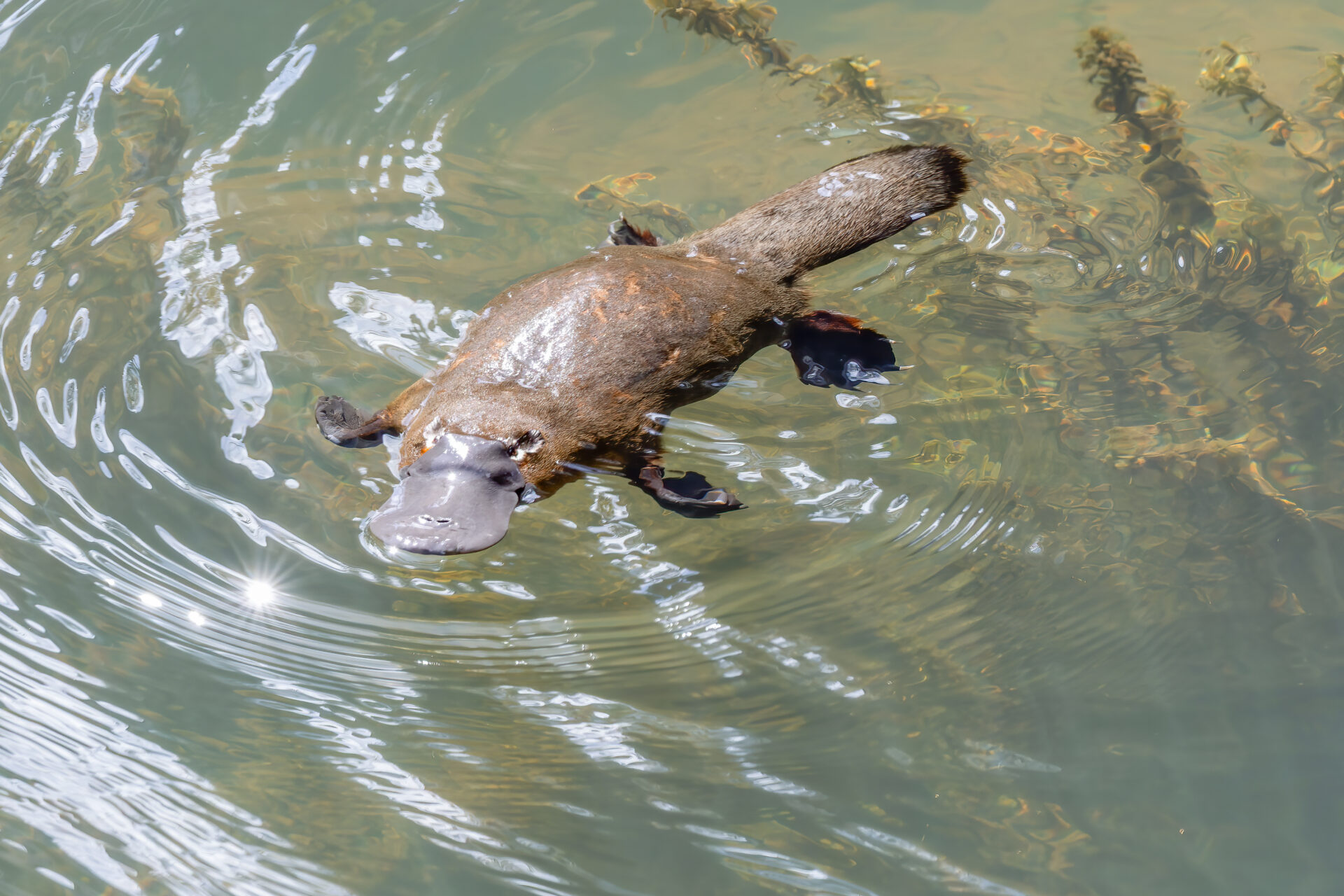
Moreton Bay’s platypus population is thriving, with an innovative City of Moreton Bay Council project detecting the species’ presence at a record 91 sites including eight new locations.
This year’s environmental DNA (eDNA) sampling once again detected platypus in five of the City’s major water catchments: Caboolture River, North Pine River, South Pine River, Stanley River and Mary River.
There are now 50 sites that have tested positive for platypuses via eDNA over three consecutive years, mainly in the City’s western and central areas including Stony Creek, Wamuran, Dayboro, Caboolture, Albany Creek, Bunya, and Samford.
Mayor, Peter Flannery said the monitoring project to date shows the elusive species is doing well and City of Moreton Bay’s environmental credentials continue to be maintained.
“The results of this innovative testing program point to a widespread platypus population right across our City,” he said.
“The platypus is such a beautiful and unique native animal, so it’s pleasing to know we have a thriving population of them right here in Moreton Bay.
“Remarkably, platypuses have been detected at a creek in the industrial area of Brendale for three years in a row, a testament to Council’s proactive management of waterways and the species’ ability to reside in urban areas.”

Council officers used an innovative sampling approach to detect platypus presence in waterways without disturbing the animals or their habitat.
Of the 158 sites sampled this year, 91 returned positive detections for platypus DNA including eight locations that tested positive for the very first time.
The new sites include the Caboolture Region Environmental Education Centre (CREEC) in Burpengary and locations in Morayfield, Elimbah, Petrie, Samford Valley and Strathpine.
A negative sample result doesn’t mean platypus are not present, just that there may not have been enough DNA present in the sample for one to be detected. Throughout the project, camera monitoring and community sightings also confirmed platypus presence at several locations where eDNA results were negative, reinforcing the value of multiple monitoring methods.
The results assist Council’s catchment management initiatives including riparian restoration projects that rehabilitate and protect land and vegetation along waterways to improve water quality, enhance wildlife habitats and address erosion.
Complete results from the project can be found on Council’s website: City Of Moreton Bay Datahub.
Members of the public can support the ongoing monitoring program by reporting sightings of platypus to Council’s Environmental Services department via Report native wildlife sightings – City of Moreton Bay.
