
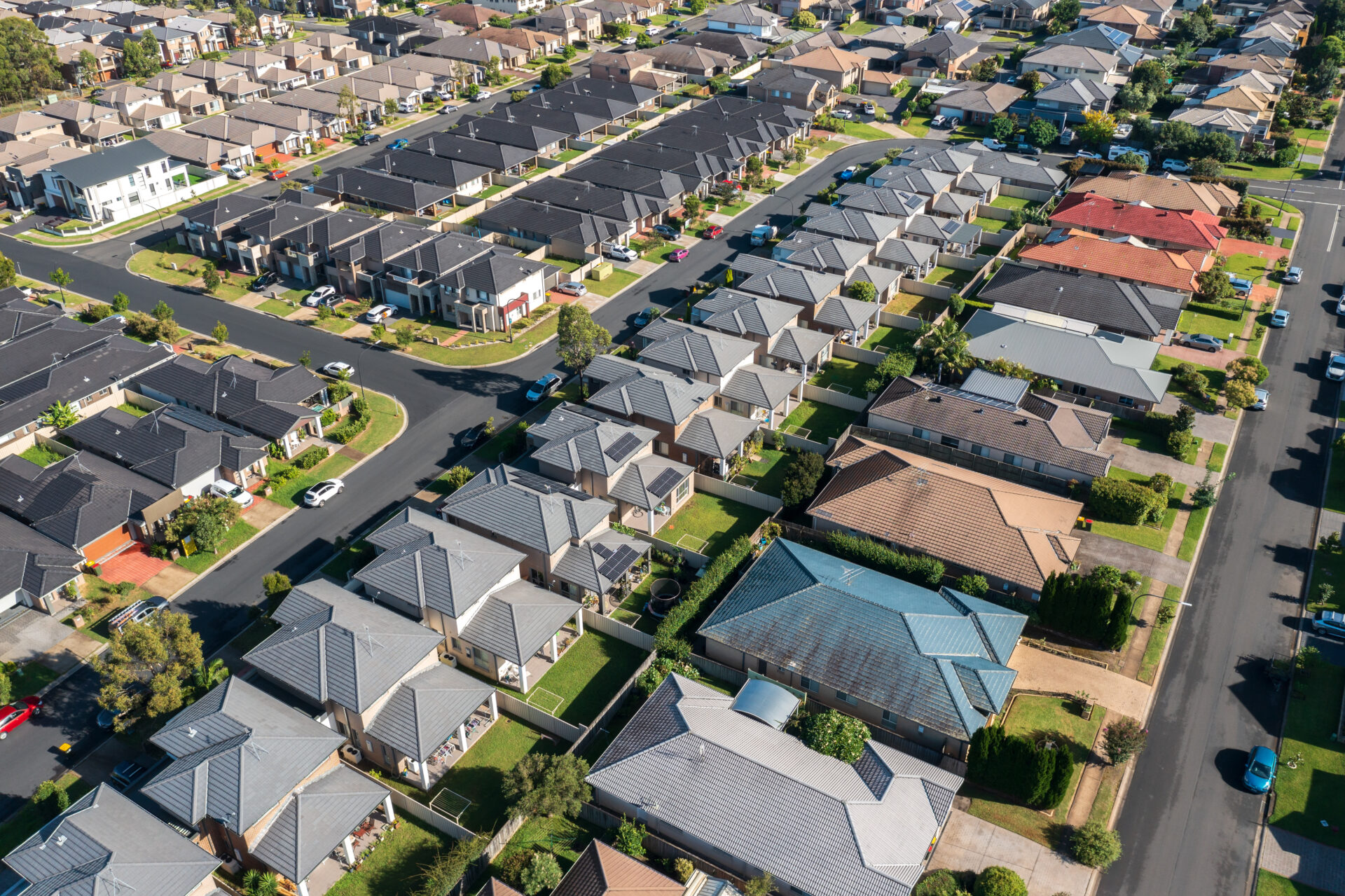
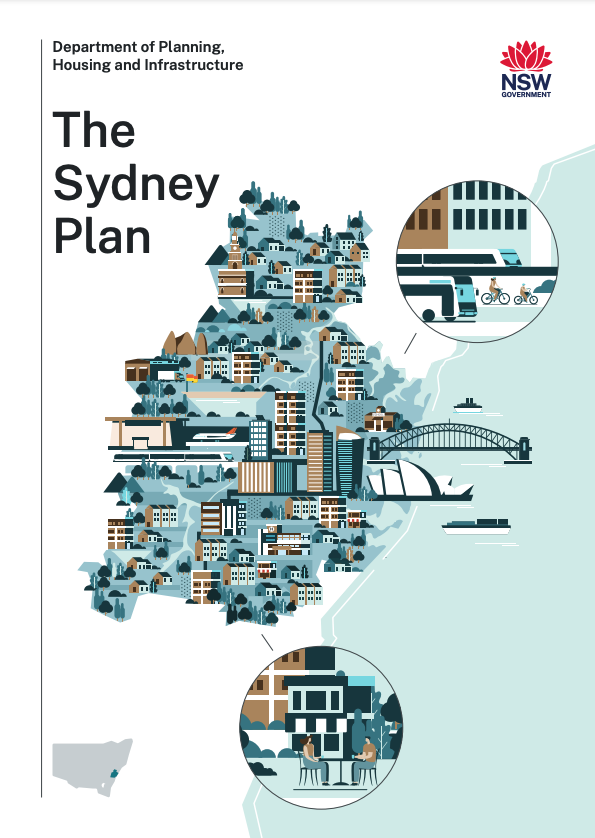
The NSW Government has finalised its proposed 20-year framework to deliver more homes, jobs and better infrastructure with the release of ‘The Sydney Plan’.
NSW Minister for Planning, Paul Scully says the Plan sets the long-term strategic direction for how Sydney will grow, planning new housing, jobs, transport, infrastructure, and open space together as the city expands.
It includes a commitment to work with councils on updated five-year housing targets following the conclusion of the National Housing Accord in 2029, and the requirement for councils to maintain at least 30 years of feasible housing capacity through their Local Environmental Plans.
“It recognises that different parts of Sydney have different strengths, supporting more housing in well-serviced areas while driving the next wave of economic growth in Western Sydney,” said Minister Scully.
“For the first time, we’re also introducing a State Land Use Plan that creates a simpler, more consistent strategic planning framework to guide decisions at the state, regional, and local level.
“We’ve listened to councils, industry and the community, and the final plan is stronger because of that feedback.”
The Minister said that over the next 20 years, Sydney will need at least 800,000 more homes and 950,000 more jobs, with job targets broken down by local government area for the first time, giving every part of Sydney a genuine stake in future growth.
“For too long, Sydney’s growth was left to chance, with housing, jobs and infrastructure planned in silos and communities left to pick up the pieces. The new Sydney Plan changes that,” he said.
“This Sydney Plan provides a clear roadmap for where homes, jobs and infrastructure should go over the next 20 years, so communities have the services and opportunities they need as they grow.
“It also locks in a requirement for an ongoing pipeline of feasible housing supply, so we do not find ourselves back in the position we are in today. This is about planning ahead, not catching up, so Sydney has the homes it needs for the next 30 years and beyond.
The Plan supports increased housing supply in the east, close to jobs, transport, and services, while accelerating economic growth across Western Sydney, underpinned by Western Sydney International Airport, the Aerotropolis, advanced industries, logistics and innovation precincts.
Mr Scully said more than 2,000 submissions had helped to shaped the final Plan, following exhibition of the draft in late 2025.
Growth will also be matched by investment in the places that make Sydney liveable, he said. The Plan identifies priority Blue-Green Grid corridors to improve access to parks, waterways, and open space, with the first three delivered over the next three years.
Alongside the Sydney Plan, the Government has released the State Land Use Plan, the first of its kind in NSW, which establishes a new three-tier strategic planning framework for the state.
The State Land Use Plan will guide regional plans, which in turn will inform local strategic planning, creating a simpler and more consistent planning system that better aligns housing, jobs, infrastructure, and environmental outcomes across NSW, Minister Scully said.
“This means the right level of government will be doing the right level of planning,” he said.
In addition, the Statewide Policy for Industrial Lands will provide a more coordinated, evidence-based approach to planning and protecting the industrial land that supports local jobs and manufacturing.
“By identifying industrial lands of state, regional and local significance, it gives greater certainty to industry, councils, and communities, and helps guide infrastructure investment where it is needed most.”
This includes in Western Sydney, where manufacturing, construction, warehousing, transport, and logistics already contribute more than $83 billion a year to the economy, said Mr Scully.
“Together these reforms represent the most significant overhaul of the state’s strategic planning framework in decades, providing a clear, more coordinated approach to managing growth and supporting future government investment and rezoning decisions for the state.”
Mayor of Blacktown City Council, Brad Bunting, has welcomed the Plan, saying it reinforced the need to connect Western Sydney’s growing communities with its future employment centres.
“We welcome the NSW Government’s long-term plan for Sydney and its strong focus on creating more jobs in Western Sydney,” Mayor Bunting said.
Mayor Bunting said Blacktown City will continue to play an important role in providing the homes Sydney needs.
“As our communities grow, we want to work with the NSW Government to make sure that growth is supported by better public transport, roads, schools, health services, parks and community facilities.” he said.
“Bringing jobs closer to home must go hand in hand with better transport connections across Western Sydney. It is that simple. Better public transport will give local people greater access to employment and more time with their families instead of spending hours travelling to work.”
The Sydney Plan identifies a major housing and employment corridor extending from Bradfield and St Marys through Marsden Park to Tallawong, anticipating further housing diversity and employment growth along the corridor, including a stronger retail and industrial role for Marsden Park.
Mayor Bunting said the Plan’s acknowledgement of the Bradfield-Tallawong corridor, and the housing and employment growth planned along it, added further weight to the case for extending Sydney Metro from Tallawong to St Marys.
“The Government has acknowledged this corridor as an important part of Sydney’s future. Connecting Tallawong and St Marys would create a vital link between north-west and western Sydney, improving access to the new airport, Bradfield and employment opportunities for growing and established communities across our region.”
“We welcome the NSW Government’s investment in the business case for this missing connection and look forward to working with the Government as that work progresses.”
He said the Council will consider the detailed implications of the Sydney Plan, including the requirement to maintain 30 years of feasible housing capacity.
“Council will also seek clarity on how the new affordable housing contribution scheme requirements align with work already undertaken through the Western Sydney Planning Partnership,” he said.
“Blacktown City is ready to play its part in Sydney’s future. We want to make sure our residents see the benefits through good local jobs, shorter journey times and the infrastructure that growing communities need.”
The 100-page Sydney Plan can be viewed here.
