

The Local Government Association of Queensland (LGAQ) says the state’s councils are “staring into a financial black hole” unless the Federal Government continues to invest in critical community infrastructure, with the Local Roads and Community Infrastructure Program (LRCIP) set to end on 30 June.
The Association is calling on the Federal Treasurer to use his May Budget to commit to continued community infrastructure funding for councils.
“This program has been used to build roads, sporting grounds and other vital community facilities, and it’s our smallest communities who stand to lose most if funding isn’t continued,” said LGAQ President and Gladstone Regional Council Mayor Matt Burnett.
“There are more than just roads and community facilities at stake here – this program is investing in local infrastructure which supports good, secure jobs and community wellbeing and liveability in countless communities throughout Queensland.
“People living in regional Queensland should be able to access the same employment, infrastructure and service opportunities as those living in the cities.
“Councils can’t afford to see this program funding disappear – they need a Federal Government that’s willing to support the local economies to build vital infrastructure.”
LGAQ CEO, Alison Smith, warned that the loss of the $500 million annually allocated nationally to the LRCIP on 30 June, without a replacement, would be a tough blow to regional and urban Queensland communities alike.
“Every community fights hard to attract and retain jobs and investment, and this becomes much harder if programs like this simply vanish overnight,” she said.
“We are talking really about locally important projects like safe footpaths and cycleways connecting communities, as well as upgrades to parks and places of important community connection.
“And on top of this there are the jobs that come with these projects, and the widespread benefits they bring to local economies.
“The LRCIP funding allocation provided to Queensland councils is estimated to contribute approximately $668 million to Queensland’s economy over the course of the program in total, including $206.9 million directly.
“That supports almost 4,000 full-time equivalent jobs across Queensland, including almost 1,300 direct jobs.”
President Burnett said the LGAQ is also calling on the Federal Government to use the Budget to help improve the financial sustainability of Queensland councils by:
- Increasing untied Financial Assistance Grant funding to all councils to at least 1% of Commonwealth taxation revenue;
- Increasing housing investment to tackle chronic overcrowding in First Nations communities.
“We welcome the Albanese government’s focus on tax reform in the upcoming Federal Budget, but this has to include reforms to local government funding,” Mayor Burnett said.
Ms Smith said independent analysis of the Federal Government’s investment in councils highlights a projected downward trend in the level of local community investment Australians can expect to flow from their Federal taxes.
“Local communities shouldn’t be deprived of vital services and infrastructure because of a broken Federal funding model,” she said.
“Residents in all Queensland communities want solutions, and this requires a significant increase in Federal funding for councils.”
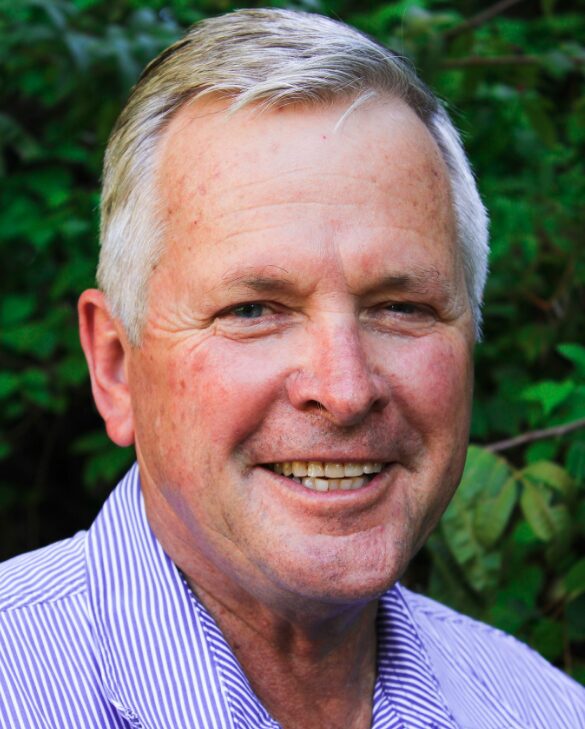
Longreach Regional Council Mayor, Tony Rayner said the LRCIP had been a game-changer for his council area.
“Thanks to this funding, we’ve been able to deliver vital projects that otherwise wouldn’t have been possible – creating jobs, supporting local businesses and strengthening our region’s liveability,” he said.
“Without this kind of investment, remote councils like ours will struggle to maintain and upgrade their social infrastructure. This isn’t just about roads and facilities – it’s about sustaining our communities and keeping them liveable, connected and economically resilient.
“The Ilfracombe Multi-Purpose Courts are a prime example of what LRCI funding has made possible. This project provided work for seven different contractors, and has given our community a high-quality, fully shaded facility for tennis, basketball and netball. Without LRCI, delivering infrastructure like this in rural and remote communities would be incredibly difficult, if not impossible.
“Councils know the needs of their communities better than anyone, and direct, allocative funding ensures that vital projects – like the Ilfracombe Multi-Purpose Courts – continue to be delivered where they’re needed most.
“Without this kind of ongoing investment, regional communities will face stalled projects, lost jobs and deteriorating infrastructure. This isn’t just good policy – it’s essential for the future of regional Australia.”

Mayor of Ipswich City Council, Teresa Harding said the Program had delivered significant community benefits locally, from upgraded green spaces, new clubhouses for sporting facilities, and a rooftop solar system installed for the central library.
“Without a replacement for this vital program, and with councils continuing to receive less than 3 cents in every $1 of taxation revenue, our resources will continue to be stretched to unsustainable levels. Councils are paying for more services and infrastructure than ever before – including pitching in for Federal Government responsibilities,” she said.
“Our communities deserve a fair share of Federal funding as they continue to grow.”

Maranoa Regional Council Mayor, Wendy Taylor said the LRCIP had enabled the delivery of 43 projects across the local government area.
“These projects have provided essential upgrades to our road network, improved community facilities, and supported economic growth in our region,” she said.
“Without the program, many of these projects would not have been delivered or would have come at the expense of other priority infrastructure programs. The program has allowed Council to value-add to existing projects, ensuring that infrastructure upgrades are delivered at a higher standard, with greater long-term benefits to the community.
“With the program set to wind up in 2026, there is an urgent need for a permanent, direct Federal funding model that enables councils to continue delivering the infrastructure our communities rely on. Without this certainty, regional projects will face delays, funding shortfalls and reduced capacity to meet local infrastructure needs.”
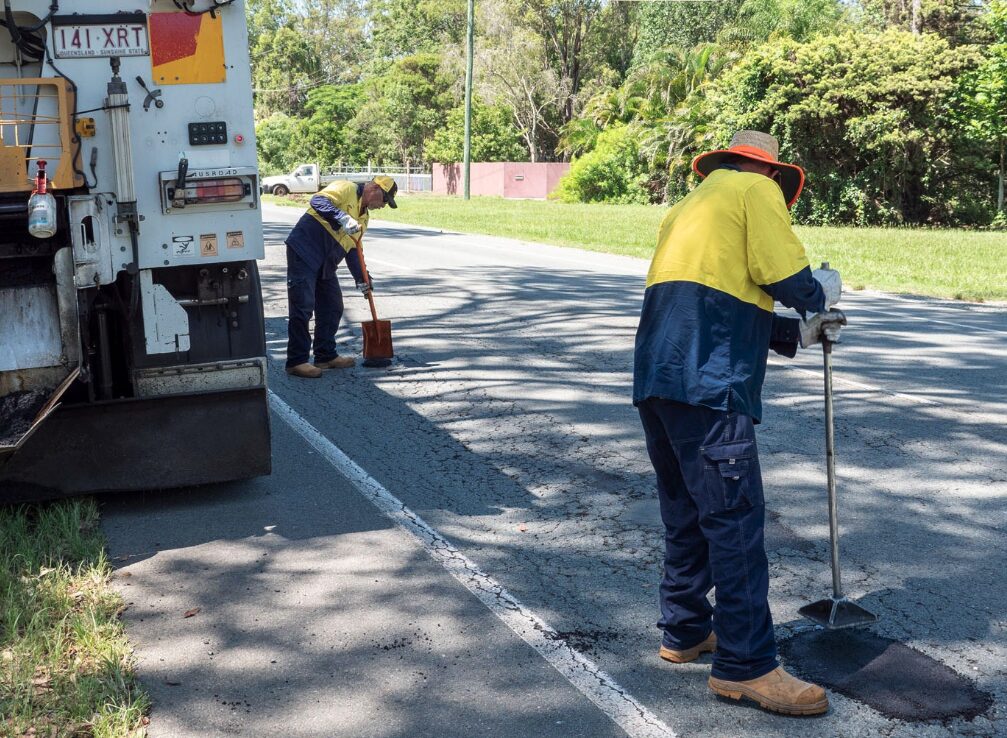
For City of Moreton Bay Mayor, Peter Flannery, the end of LRCIP funding is simply “implausible” for councils.
“This will have an immediate and serious impact on local Queensland communities who are crying out for vital local road and community infrastructure,” he said.
“It is not sustainable for our rapidly growing City of Moreton Bay to continue to provide everyday services for our community, while at the same time fully fund important infrastructure projects as we grow.
“Surely, the great success of the program shows the impact this funding has made, both in terms of the calibre of projects themselves but also in creating local jobs and lasting community benefits.
“In City of Moreton Bay alone, we have had almost 90 projects supported by the Local Roads and Community Infrastructure Program, including critical projects such as the Oakey Flat Road rehabilitation at Narangba, Gordon Road and Ferny Way Intersection Upgrade, Ferny Hills and the Deception Bay Community Hall building upgrade.
“Not only does this funding empower local government, who know their priority projects inside out, but the allocative nature of the funding also means councils could bring forward projects and deliver this key infrastructure quickly.
“City of Moreton Bay strongly believes all levels of government should be working collaboratively to deliver services and infrastructure.”
