
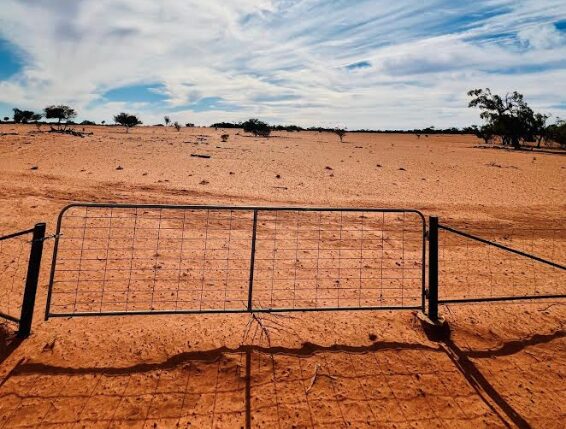
The Country Mayors Association of NSW (CMA) has welcomed the NSW Government’s expansion of the state’s drought plan, but says more needs to be done to support south-west farmers.
The expanded NSW Drought Plan announced on 16 February included a boost to finance loans for farmers, financial counselling services, water testing, kangaroo and feral animal culling.
CMA Chairman and Temora Shire Mayor, Rick Firman OAM said keeping core livestock alive was the priority for farmers, labelling the enabling of bigger debts as evidence of a lack of insight by the Government.
While welcoming the Government’s doubling of its Drought Ready and Resilient Fund loan amount to $500,000 and the establishment of a new $100,000 Drought Relief Loan, Chair Firman said most affected farmers and graziers are already carrying significant debt.
He said the cost of transporting fodder and water remains a major financial burden for landholders.
“The CMA believes that direct subsidies are essential to maintain livestock welfare and farm viability as local supplies diminish.”
“I have also advised Minister Moriarty that the feral animal focus needs to broaden. Targeted funding for pigs and deer is positive but rabbit populations continue to place immense pressure on degraded pastures. In some areas, it’s a case of protecting what little ground cover remains.”
Chair Firman is a member of the Premier’s Remote, Rural and Regional Advisory Committee (PRRRAC) and announced that it has established a Drought and Water Working Party.
“One of our goals is to work collaboratively with the Minister and her Department on the development of initiatives that support not just our farmers, but the rural businesses and communities that depend on their success, while they battle the economic and social impacts of drought.”
“Minister Moriarty’s Department of Primary Industries and Regional Development has forecast that drought conditions in Riverina and Murray regions should ease by the end of April but those conditions are expected to move to western, central and northern NSW regions. So, we need to be constantly vigilant to ensure that responses to the drought are timely, effective and provide the support that our remote, rural and regional communities need,” he said.
