
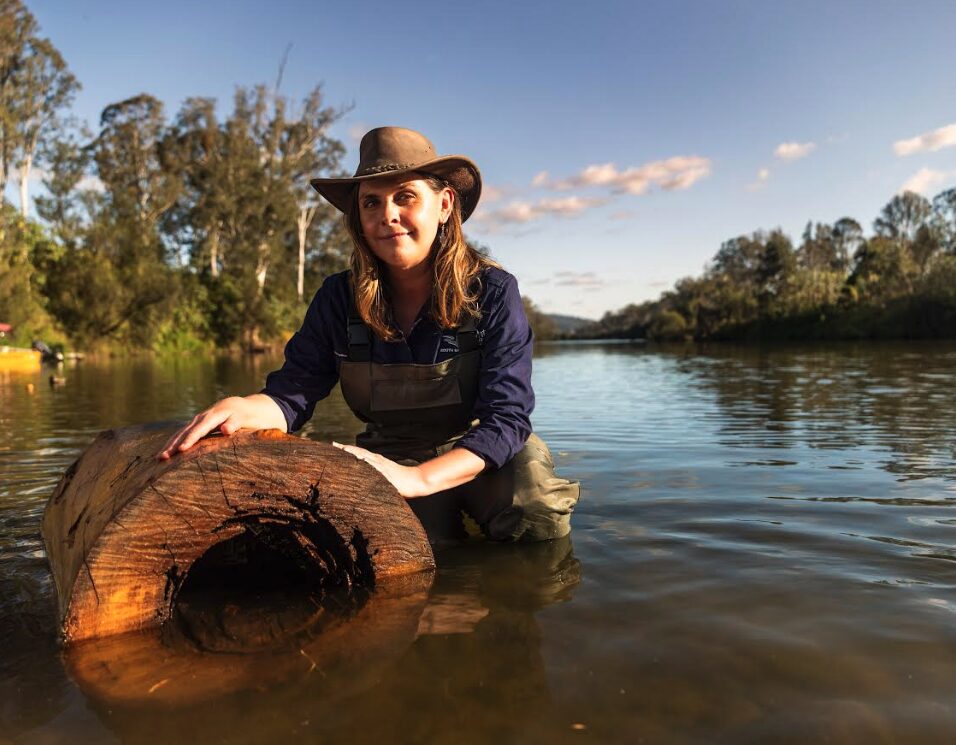
More than 200 purpose-built ‘cod hotels’ are set to create new homes for native fish across South East Queensland’s waterways as part of a major effort to restore critical habitat across the region.
‘Cod hotels’ are underwater structures made from recycled hollow logs and natural timber materials, designed to mimic the sheltered environments native fish rely on for breeding, feeding and protection.
The first cod hotels are now being installed in the Mid and Upper Brisbane River in the Somerset region, supporting aquatic species including Mary River cod and freshwater turtles. Submerged beneath riverbanks and rock shelves, the structures will create refuge areas and improve habitat conditions within local waterways.
“Our waterways are a huge part of Somerset’s identity and lifestyle, and projects like this help protect them for future generations. These cod hotels will help bring life back into local waterways while improving habitat for some of our region’s most vulnerable native species,” said Somerset Regional Council Mayor, Jason Wendt.
“The new public artwork offers a glimpse beneath the surface of our rivers and creeks, encouraging the community and visitors to connect with the incredible wildlife that calls our waterways home.”
Additional habitat structures will also be installed alongside the cod hotels. These structures are areas of logs, root balls and woody debris along the riverbank designed to provide habitat in addition to helping stabilise the bank and improve connectivity along the waterway.
Fish projects are also underway across the region, including a new $1.1 million fishway at Gould Adams Park, a fish barrier prioritisation study in the Scenic Rim, remediation works in Hilliards Creek to improve fish passage and aquatic habitat and the release of tens of thousands of native cod fingerlings into the Bremer River in Ipswich.
They complement a landmark investment in the region’s first $1.2 million eDNA monitoring program for native species including platypus, rakali, freshwater turtles, lungfish, frogs, and endangered Mary River cod to support future conservation efforts.
Together, these projects are restoring aquatic habitat, supporting native fish populations and improving water quality by reducing sediment and nutrients entering local waterways. They will also help communities better manage waterways across the region into the future.
The Somerset Fish Habitat Revitalisation project is part of the $40 million Resilient Rivers SEQ commitment with $10 million each from the Australian Government, Queensland Government, Council of Mayors (SEQ) and Seqwater.
“Our waterways rely on habitat restoration and fish restocking to support healthy native fish populations. These cod hotels provide vital breeding sites and shelter that will help native fish species thrive into the future,” said Somerset Wivenhoe Fish Stocking Association President, Garry Fitzgerald.
Resilient Rivers SEQ is one of 29 commitments being delivered through the SEQ City Deal, a partnership between the Australian Government, Queensland Government and Council of Mayors (SEQ), aiming to improve the accessibility, prosperity and liveability of the region.
The investment will help prevent more than 16,000 tonnes of sediment entering waterways each year, restore more than 115 hectares of habitat and support vulnerable species including platypus and the endangered Australian lungfish.
For more information go to resilientrivers.com.au.
