
More than 300 South Australian local government Mayors, CEOs and council staff have come together with industry experts in the Barossa Valley this week to discuss how to sustainably manage and invest in roads and infrastructure.
The 2026 LGA Roads and Works Conference, being held from 2-4 September at the Tanunda Show Hall, is bringing together people from across local government and the infrastructure sector to share ideas, explore innovation and tackle some of the biggest challenges facing councils.
This year’s theme, ‘Shaping tomorrow’s assets through today’s conversations’, reflects the challenge councils face in balancing today’s needs with growing community expectations, ageing infrastructure, and rising costs, while planning for what communities will need well into the future.
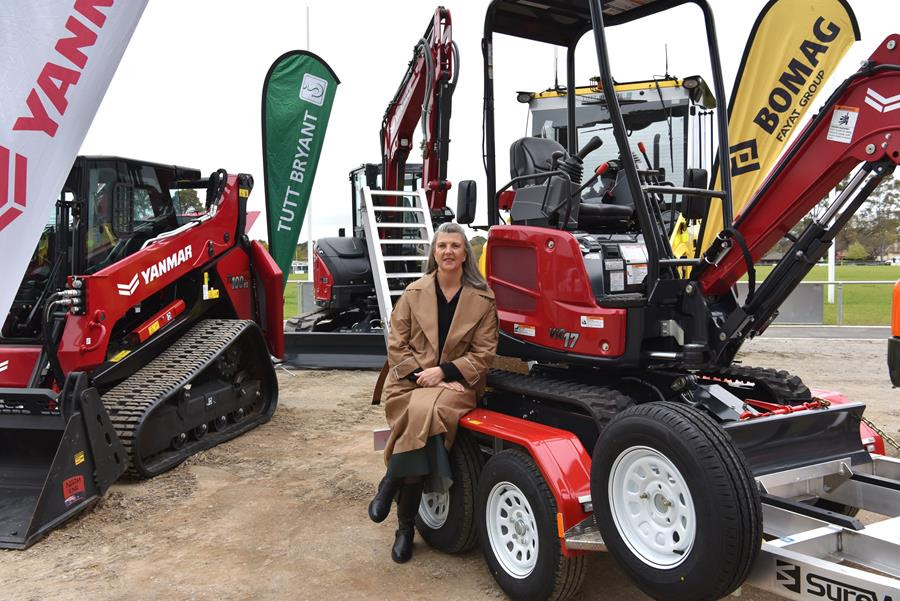
LGA South Australia Chief Executive Officer, Victoria MacKirdy (pictured) said the conference was an important opportunity for councils and industry to have practical conversations about how infrastructure could be sustainably managed for future generations.
“Councils are responsible for some of the most important assets in our communities, and we need to make sure we are making the right decisions about those assets today, so they continue to serve communities well into the future,” Ms MacKirdy said.
“It’s about understanding not just what our communities need today, but what they will need in 10, 20 and 30 years’ time – and making responsible decisions now to prepare for that future.”
South Australian councils collectively invest more than $2.5 billion each year into their communities, with around 40% directed towards roads and public infrastructure.
The state’s councils are responsible for more than three-quarters of South Australia’s road network, spanning approximately 75,000 kilometres.
Ms MacKirdy said the scale of the local government road network, combined with South Australia’s long-standing disadvantage in Federal road funding, was putting additional pressure on councils to maintain critical infrastructure.
“South Australia has a disproportionate share of the nation’s local road network, but our councils do not receive a fair share of federal road funding,” she said.
“That creates a significant challenge for councils, particularly in regional areas where there can be thousands of kilometres of roads to maintain but a relatively small ratepayer base to fund them.
“Federal funding has an important role to play in helping councils renew and maintain these assets, but we need to see a greater focus on sustainable, untied funding rather than relying so heavily on short-term, tied and competitive grant programs.”
Ms MacKirdy said financial assistance grants also needed to be strengthened to ensure councils could continue to invest in essential infrastructure and services.
“Financial Assistance Grants should be restored to one per cent of Commonwealth taxation revenue, with indexation also reviewed so that funding better reflects the actual cost pressures councils are facing,” she said.
“We also need to ensure councils are appropriately funded when they take on new responsibilities, rather than being expected to absorb additional costs into already stretched budgets.”
LGA’s 2026 Roads and Works Conference is facilitated by LGA South Australia and supported by industry partners.
