
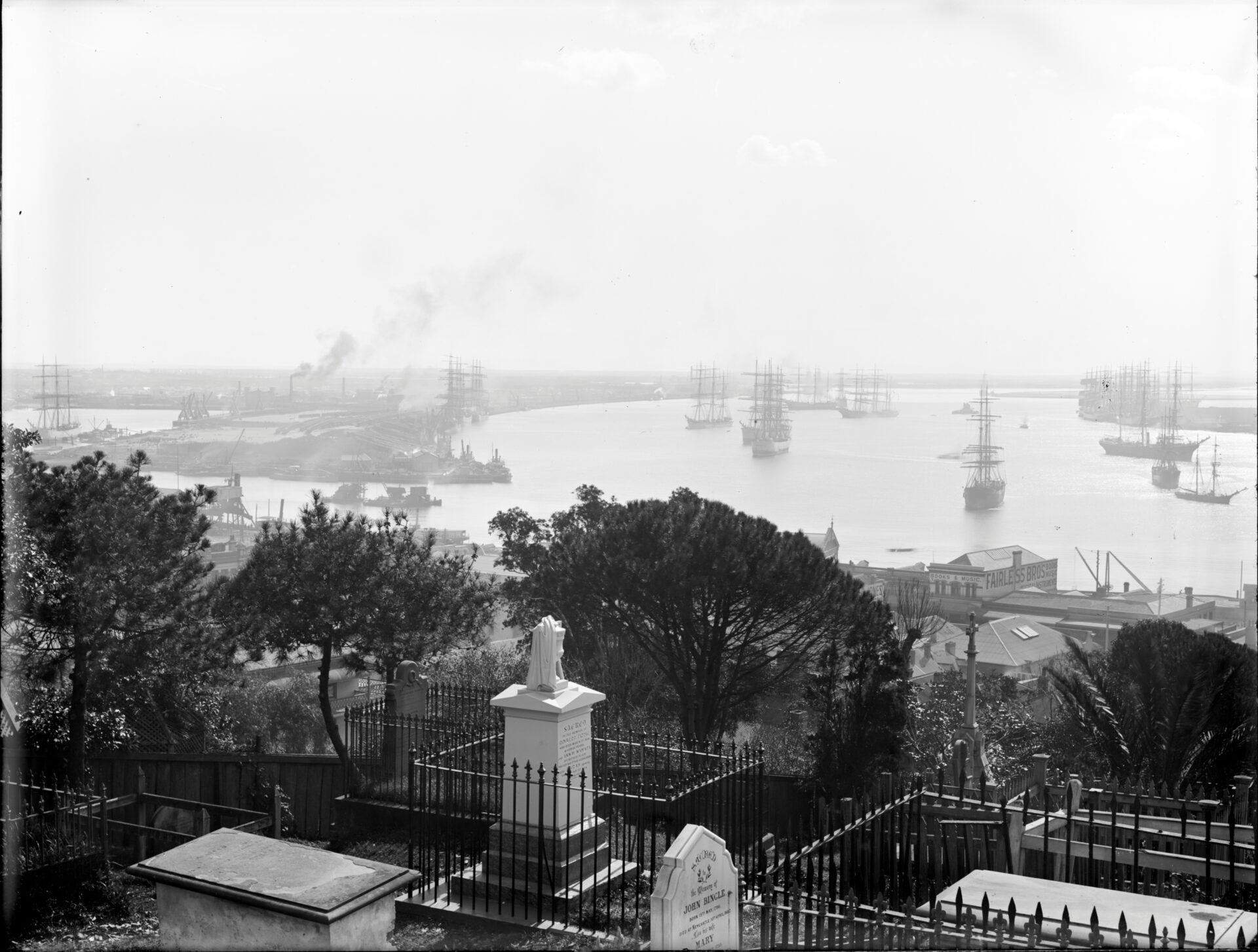
A five-year digitisation project by City of Newcastle Council is casting previously unseen details from thousands of historic photographs in a new light.
More than 5,500 images taken by renowned Newcastle photographer, Ralph Snowball, have been meticulously scanned, catalogued, researched, and uploaded online by Newcastle Libraries staff and volunteers, uncovering new insights into the people, places and daily life from the late 1800s.
Council Director of Museum Archive Libraries and Learning, Julie Baird said the enhanced images are transforming how the collection is understood and used.
“These photographs have long been an important part of our local history, but improved imaging is revealing remarkable new details,” Ms Baird said.
“Our team of staff and dedicated volunteers have captured high-resolution scans that uncover details previously unseen, from names on gravestones to business signage on buildings.
“This project ensures the collection remains a living resource, continuing to deepen our understanding of Newcastle’s history.”
The digitisation project began in 2021, with staff and volunteers working together to scan and catalogue the collection using specialist equipment in Newcastle Library’s digitisation lab.
Volunteers also contributed to the ongoing research of the collection to update and expand the historical information attached to each image.
Originally discovered in 1988 in the basement of the Snowball family home in Lambton, the collection included around 8,000 glass plate negatives, with just over 5,000 becoming part of the Newcastle Library’s collection.

The images, taken between the 1890s and 1920s, capture an insight into life across Newcastle and the Hunter region, including street scenes, workplaces, beaches, public buildings and major civic developments.
Subjects range from surf lifesavers at Newcastle Beach and afternoon tea at Fort Scratchley to workmen at the Obelisk, the construction of the Newcastle Ocean Baths and iconic landmarks such as the Newcastle Post Office and Christ Church Cathedral.
A special panel-style event, Celebrating Snowball, will be held at Newcastle City Library on Wednesday 13 May, showcasing the collection and the stories uncovered through the digitisation process.
Ms Baird said the Snowball collection continues to deliver lasting value for the Newcastle community.
“We’re now seeing details that simply weren’t visible before, which is helping researchers, historians and the community better understand the people and places captured in these photographs,” she said.
“Importantly, this work makes our shared history more accessible, allowing more people to connect with Newcastle’s past and see how our city has evolved.”
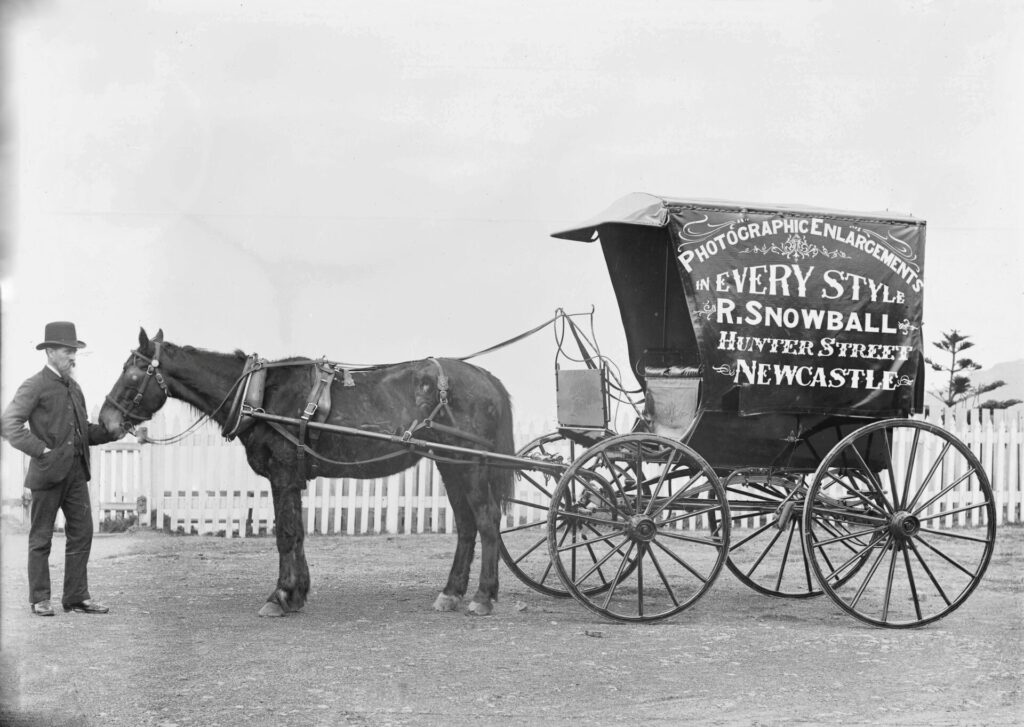
The Ralph Snowball Collection is the largest photographic collection to be digitised by Newcastle Libraries and is part of the Local History Collection.
Newcastle Libraries holds 5,500 glass plates and numerous original prints donated from various sources over the years, including Ralph’s son Frank Snowball and members of the community.
The Council also recognised Snowball’s contribution to documenting Newcastle’s history in October 2025, with the naming of a previously unmarked lane off Bridges Road between Russell Road and Victoria Street in Lambton, after the photographer.
The Ralph Snowball Collection can be explored online via the Hunter Photobank digital archive.
The free Celebrating Snowball event will be held on Wednesday 13 May at the Lovett Gallery, Newcastle City Library from 6pm to 7pm. Bookings are not required but for more details visit the Newcastle Libraries website.
