

City of Launceston Council is helping to uncover the story of one of the city’s oldest buildings, with a live archaeological dig underway this week at Braemar Cottage in Heritage Forest.
Following non-invasive ground-penetrating radar investigations in May last year, archaeologists are now excavating targeted areas of the site, guided by data that identified potential underground structures and artefacts.
The dig is being led by Southern Archaeology, with support from volunteers from the Launceston History Centre and interstate university students.
Mayor, Matthew Garwood said the excavation marked an exciting progression in understanding the site’s rich history.
“This is where Launceston’s history quite literally comes out of the ground,” Mayor Garwood said.
“Last year’s investigations gave us the clues – this week we’re uncovering the evidence.
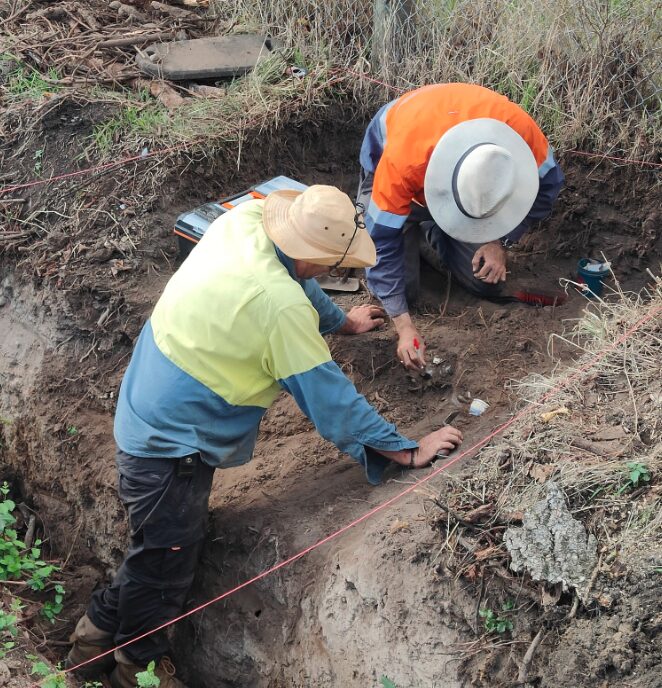
“We’re already finding early pottery, glassware and coins dating back before the 1850s which give us a real, tangible connection to the people who lived and worked here.”
Originally constructed in the 1820s by Scottish settler John Lamont, known locally as ‘Jock the Piper’, Braemar Cottage forms part of one of Launceston’s earliest European settlements.

The current excavation is focused on areas identified during last year’s GPR survey as having underground ‘anomalies’, which could be related to former outbuildings or other historic features.
Mayor Garwood said the project would play an important role in shaping the future of the site.
“This work is about more than discovery – it’s about understanding how this site functioned, and using that knowledge to guide what comes next,” he said.
“Every artefact helps build a clearer picture of life on this property, and that will directly inform how we preserve and activate Braemar Cottage into the future in line with our Strategic Plan.”
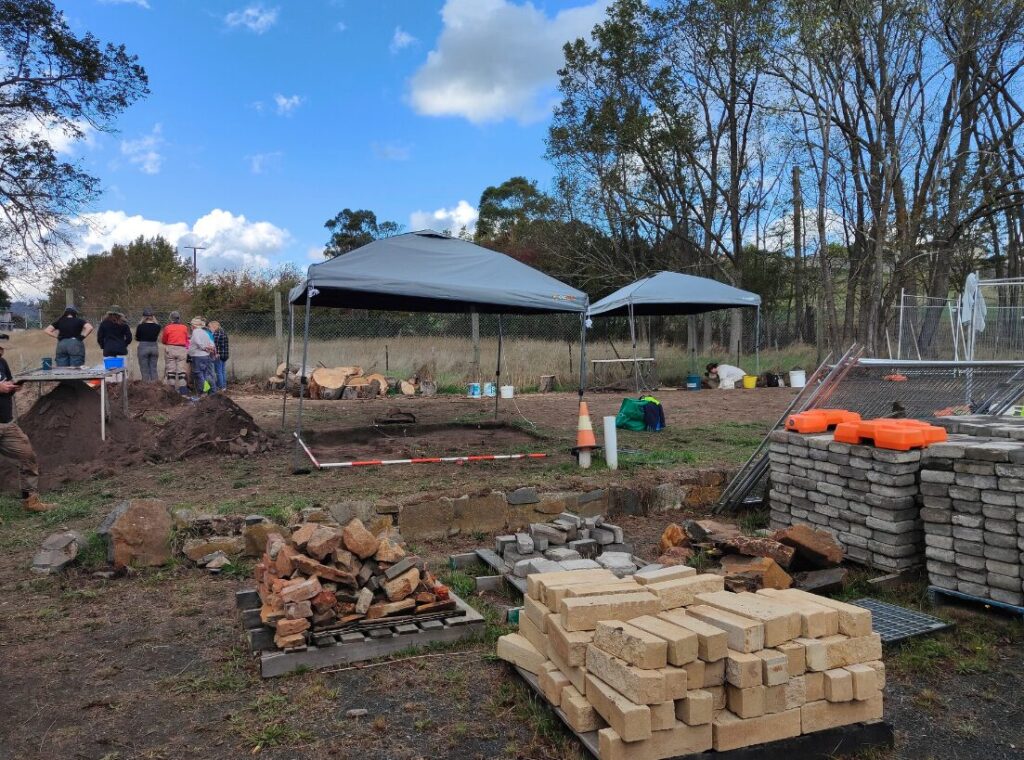
The excavation aims to uncover artefacts that provide insight into early farming practices and daily life on the property, with finds to date including pottery, crockery, glassware, nails, blacksmith items and early coins.
