

The Australian Information Security Association (AISA) has warned Australian organisations against rushing to invest in artificial intelligence (AI) cyber defences without first addressing fundamental security weaknesses, following the release of the Australian Signals Directorate’s (ASD) Annual Cyber Threat Report 2025-26.
The report reveals that ASD responded to more than 1,500 cyber security incidents in 2025-26, an increase of more than 20% on the previous year, highlighting the growing pressure on Australia’s cyber defences and the people responsible for protecting them.
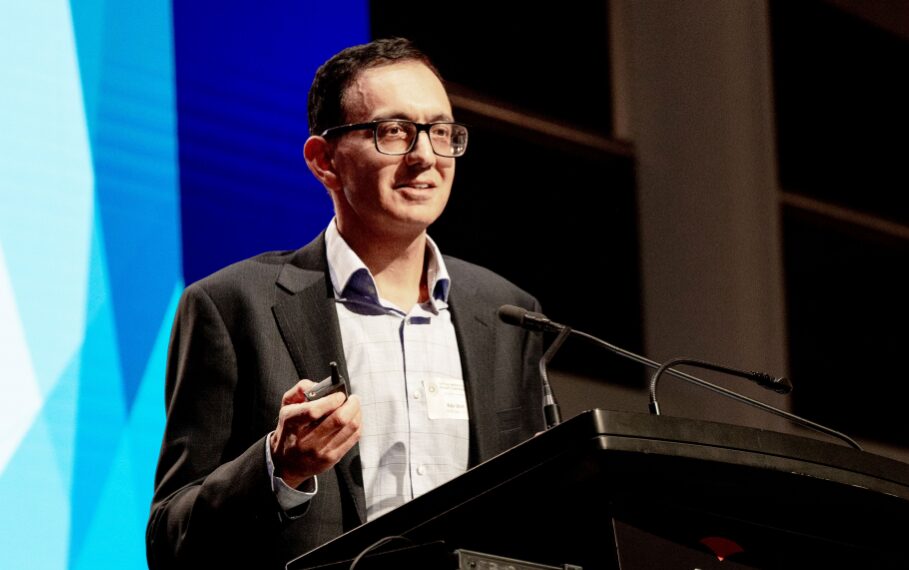
AISA spokesperson, Dr Rajiv Shah (pictured, below) said organisations needed to focus on the measures that would deliver the greatest reduction in cyber risk.
“The measure of successful cyber security is how much risk you reduce, not whether you’re using the latest AI tools,” Dr Shah said.
“ASD is right to highlight the growing role of AI in cyber-attacks and defences. But its advice to embrace AI for cyber defence is ambitious for organisations that are still struggling to get the fundamentals right.
“There’s little point investing in sophisticated AI systems if you’re leaving known vulnerabilities unpatched, exposing systems unnecessarily to the internet or failing to maintain an accurate inventory of your software and technology.
“Getting the basics right remains one of the most effective ways to defend against increasingly automated attacks.”
Dr Shah said the report also highlighted the importance of supporting Australia’s cyber security workforce, which was facing increasing pressure as threats became more frequent and sophisticated.
“Behind every cyber defence system are people who have to identify threats, respond to incidents and keep organisations secure,” he said.
“As attacks become faster and more complex, one every six minutes, the pressure on cyber security professionals continues to grow. Employers need to recognise the impact this has on their workforce and make sure their teams have adequate resources, manageable workloads and support for their wellbeing.
“We cannot expect cyber security professionals to carry an ever-increasing burden without investing in the people doing the work.”
Dr Shah said organisations also needed to consider security throughout the life of their technology, from initial design and procurement through to ongoing maintenance.
“Security needs to be designed and built into systems from the beginning, with adequate resources allocated to keeping them secure throughout their operational life.”
“Every new system creates an ongoing security responsibility, and organisations need to plan and budget accordingly.”
He said cyber security remained everyone’s responsibility, from boards and executives to individual employees.
“Cyber security is everyone’s business. Boards and executives need to understand their risks, staff need to follow good security practices, technical teams need the resources and authority to protect their organisations, and vendors need to ensure their products are secure-by-design and secure-by-default.
“The latest report is a timely reminder that cyber threats are growing. Our response needs to be practical, sustained and focused on what actually makes organisations safer.”
View the ASD report.
